Índice de contenidos
Hispanic Heritage Day is also an opportunity to reflect on one of the main ties connecting millions of people on both sides of the Atlantic. Spanish has more than 635 million potential speakers worldwide and continues to grow as an international language and a language of learning.
Every October 12, Hispanic Heritage Day brings the historical and cultural ties that connect Spain with much of the Americas back into focus. Different countries, accents, customs and ways of seeing the world also share something we use every day, often without fully appreciating its significance: Spanish.
A language that long ago transcended borders and that millions of people continue to choose every year to study, work, travel or discover other cultures.
More Than 635 Million People
The figures give us an idea of its global reach. According to Spanish in the World 2025, the latest annual report published by the Instituto Cervantes, the number of potential Spanish speakers exceeds 635 million people.
Of these, more than 520 million have native-level proficiency, making the Spanish-speaking community the third largest in the world by number of native speakers, after Mandarin Chinese and Hindi.
Spanish is an official language in Spain and numerous countries across the Americas, from Mexico to Argentina, including Colombia, Peru, Chile and much of Central America and the Caribbean. It is also spoken in Africa, where it is an official language in Equatorial Guinea.
But its reach extends much further: more than 120 million potential speakers live outside Spanish-speaking countries, and more than 45 million Spanish speakers live in the European Union alone, excluding Spain.
The United States Speaks Spanish, Too
One of the clearest examples of this expansion can be found in the United States. Spanish is the most widely spoken language after English and has a particularly strong presence in states such as California, Texas, Florida, Arizona and New Mexico.
Cities such as Miami, Los Angeles, New York, Houston and San Antonio are home to significant Hispanic communities, demonstrating just how much Spanish has become part of everyday life and culture in the country.
Furthermore, one in ten native Spanish speakers currently lives in a non-Spanish-speaking country, illustrating the language’s ability to spread far beyond its traditional borders.
More and More People Want to Learn It
But the future of Spanish does not depend solely on those who speak it as their mother tongue. More than 24 million people are currently studying Spanish as a foreign language, with the United States, Brazil and several European Union countries among the places with the largest numbers of learners.
Projections go even further. If the current growth rate continues and Spanish-language education keeps expanding, the Instituto Cervantes estimates that the number of Spanish learners could reach 100 million before the end of the century.
Learning a Language Also Means Experiencing It
Learning Spanish is about much more than studying vocabulary or mastering verb tenses. A language offers a way to get to know the people who speak it, understand their customs and discover different ways of seeing the world.
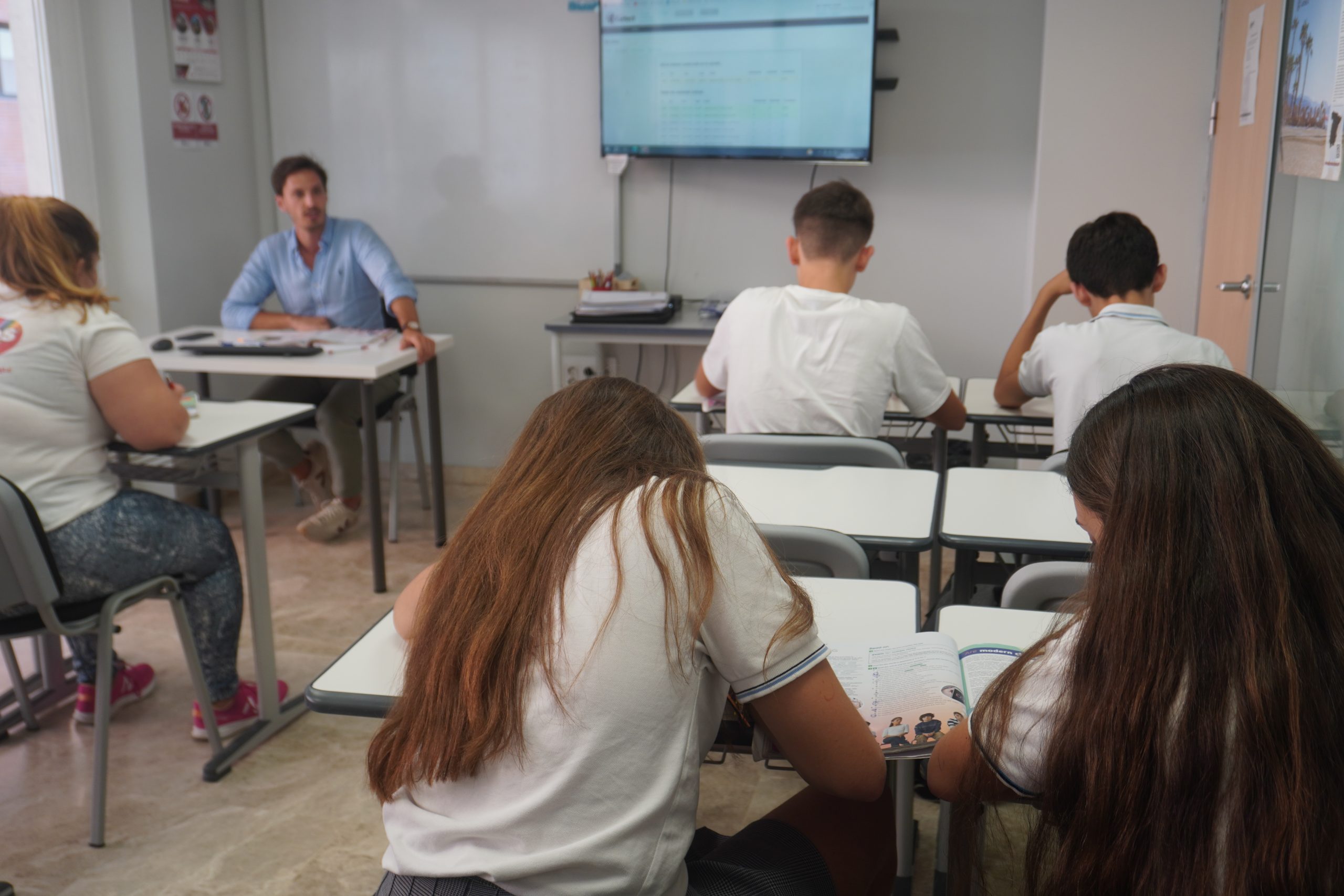
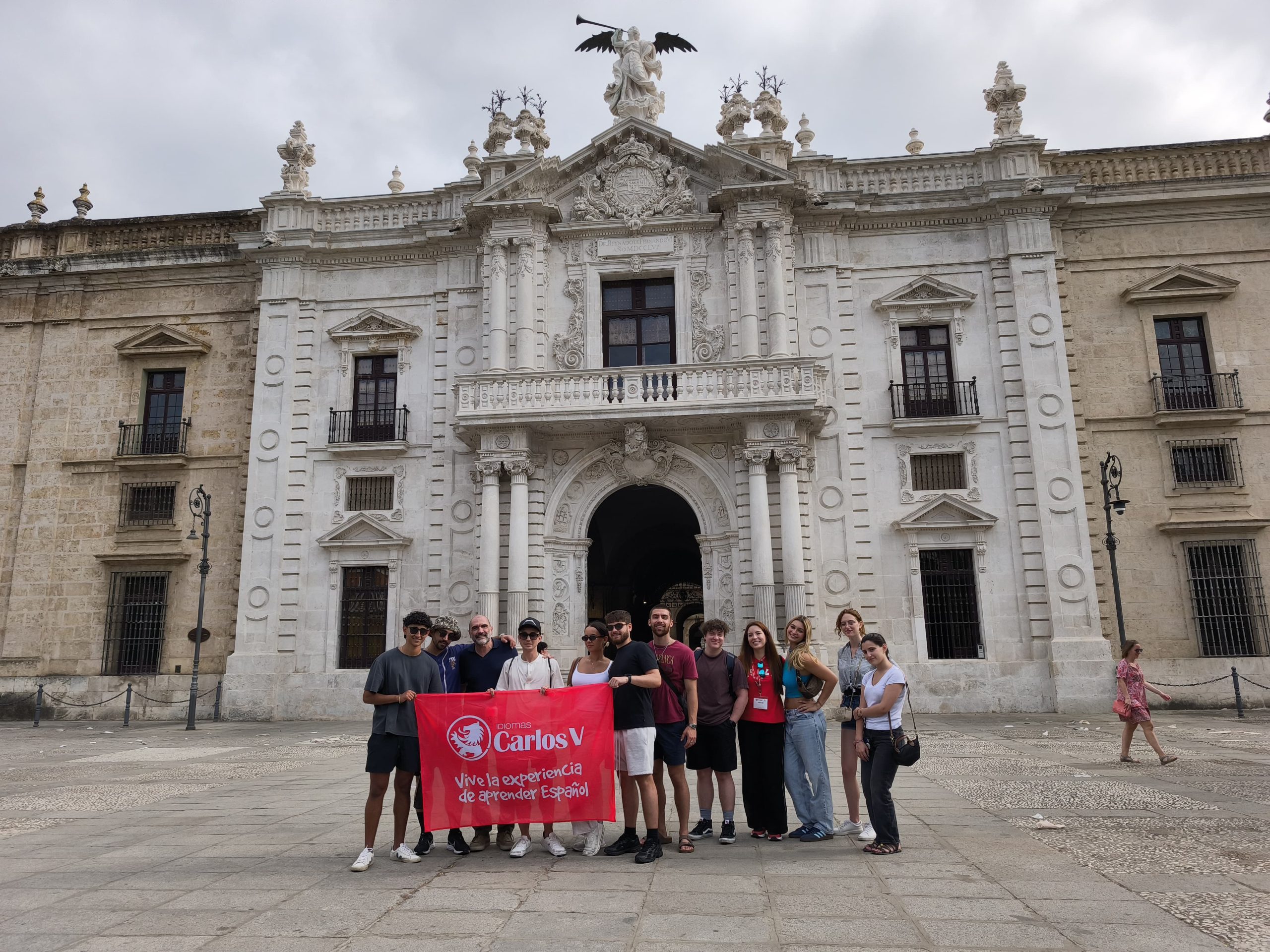
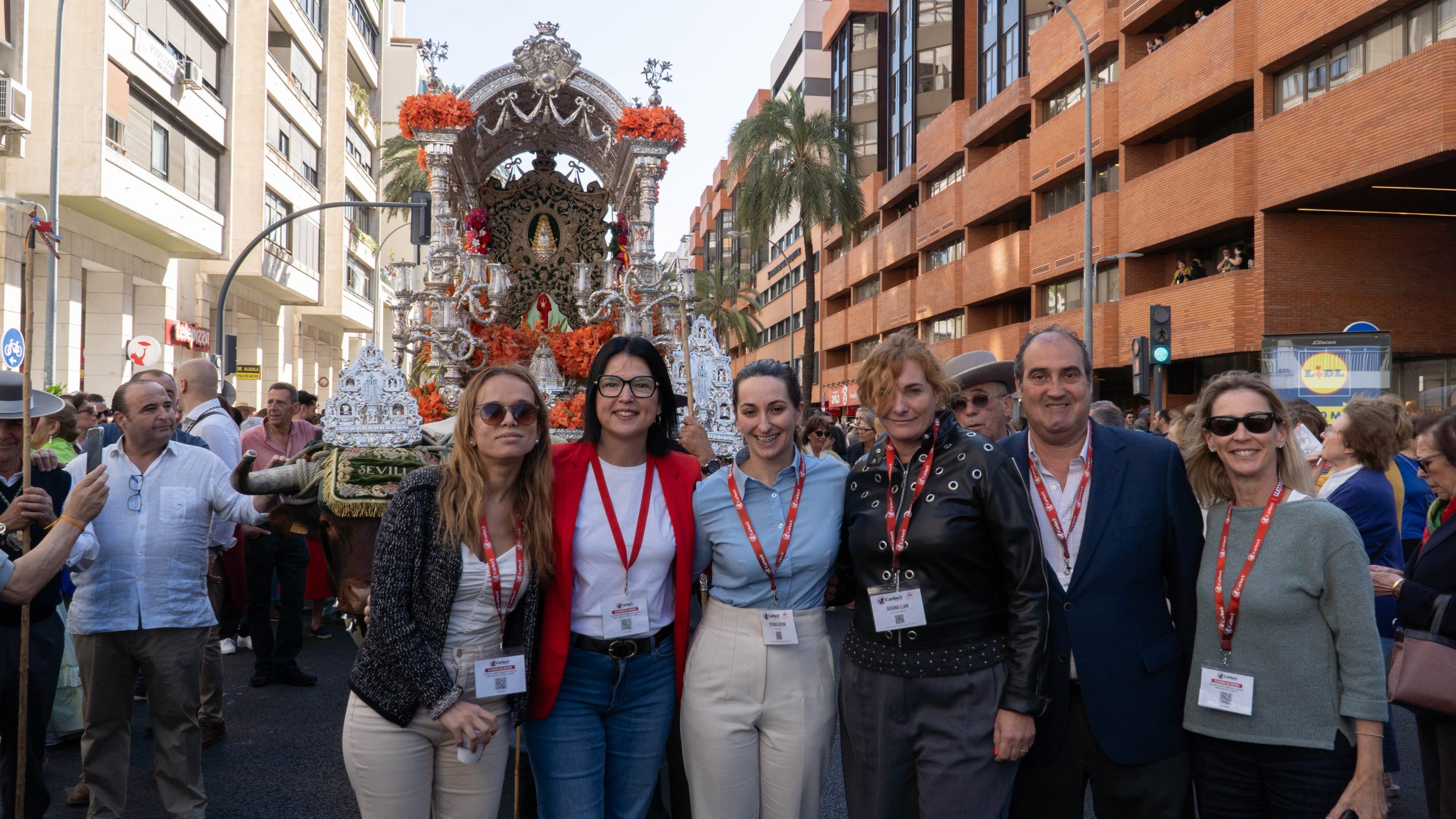
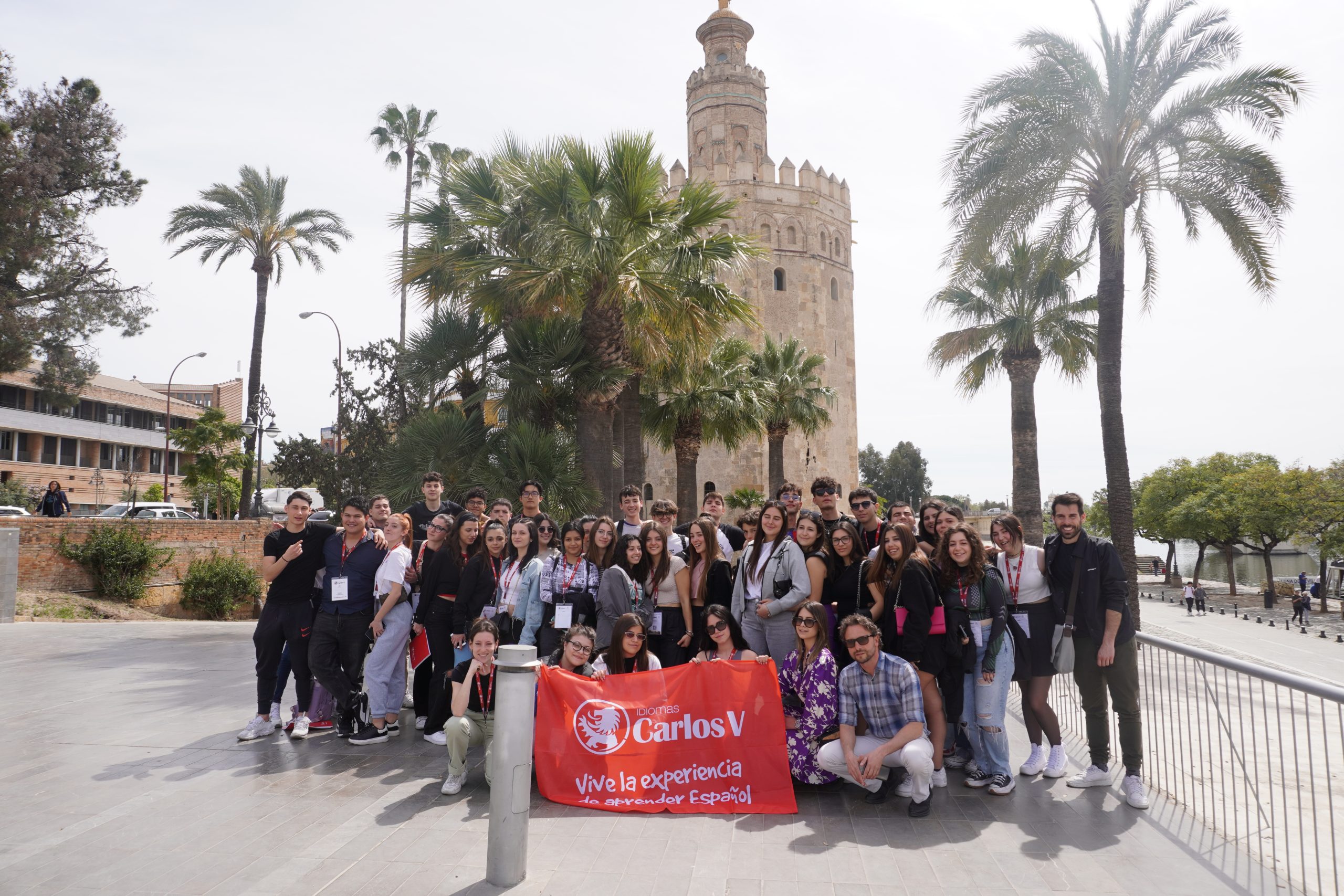
This experience is also at the heart of the Spanish courses offered by Idiomas Carlos V, where international students combine classroom learning with cultural activities and immersive experiences that allow them to discover Spain and practise the language in real-life situations.
A Language That Keeps Travelling
More than five centuries after that October 12, 1492, Spanish has travelled, evolved and been enriched by the different cultures and peoples who have made it their own.
Today, it belongs to hundreds of millions of people who speak it with different accents, expressions and ways of describing the world. And it also belongs to those who are just beginning to learn it.
More than 635 million people are already part of this conversation. And everything points to that number continuing to grow.