Índice de contenidos
Andalusia is synonymous with culture, tradition, and unique celebrations, and few events represent that spirit better than the El Rocío Pilgrimage. Every spring, thousands of people travel along historic routes from different parts of Spain to reach the small village of El Rocío, in Huelva, taking part in one of the country’s most spectacular and emotional pilgrimages.
For many international students, discovering El Rocío is the perfect opportunity to experience authentic Andalusian traditions and enjoy an unforgettable cultural experience.
El Rocío: Tradition and Faith in the Heart of Andalusia
The El Rocío Pilgrimage combines tradition, community, music, and spirituality in a celebration that attracts people from all over Spain and abroad every year. The central figure of this festival is the Virgin of El Rocío, popularly known as “La Blanca Paloma” (The White Dove), one of the most beloved religious icons in Andalusia.
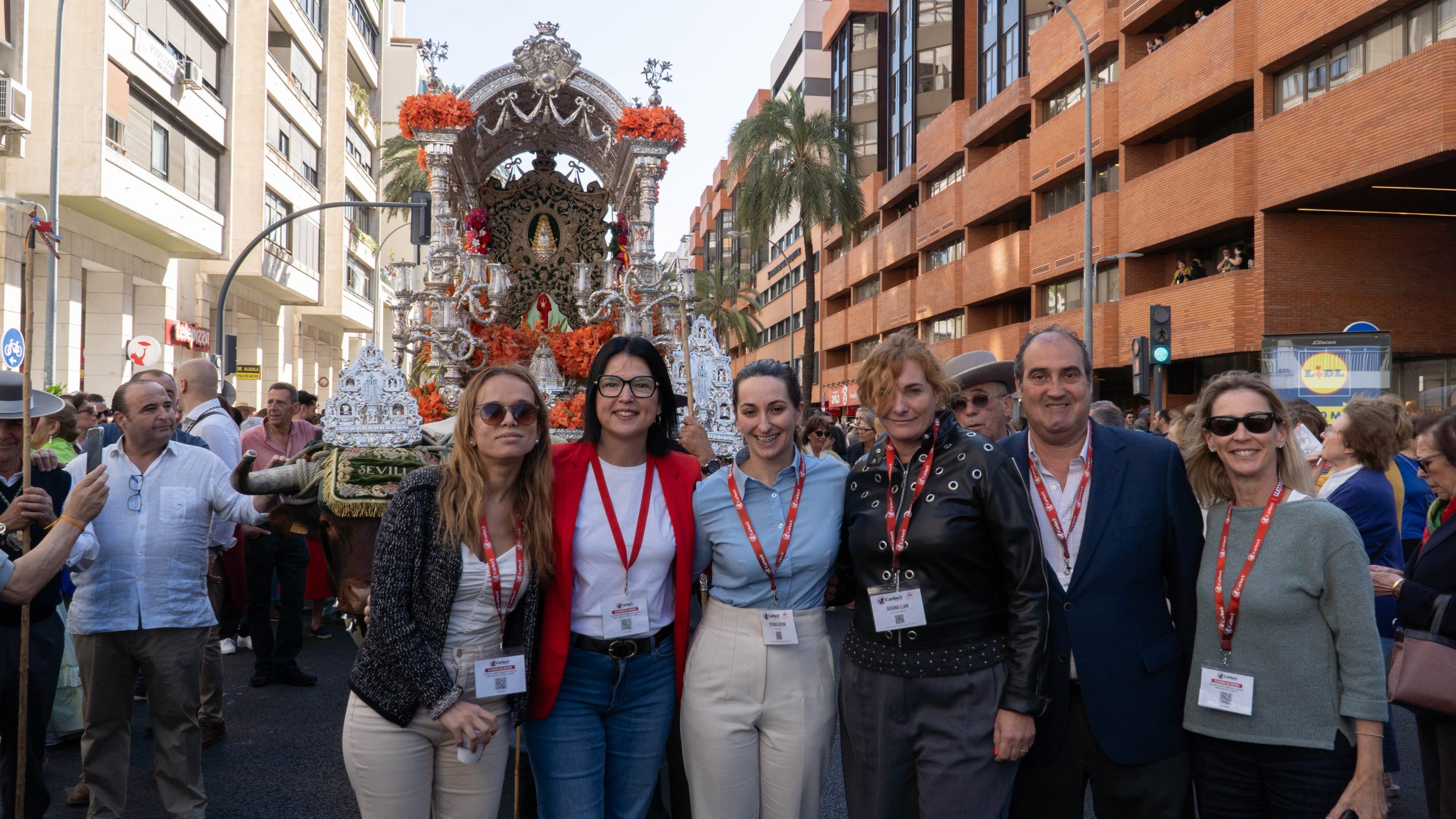
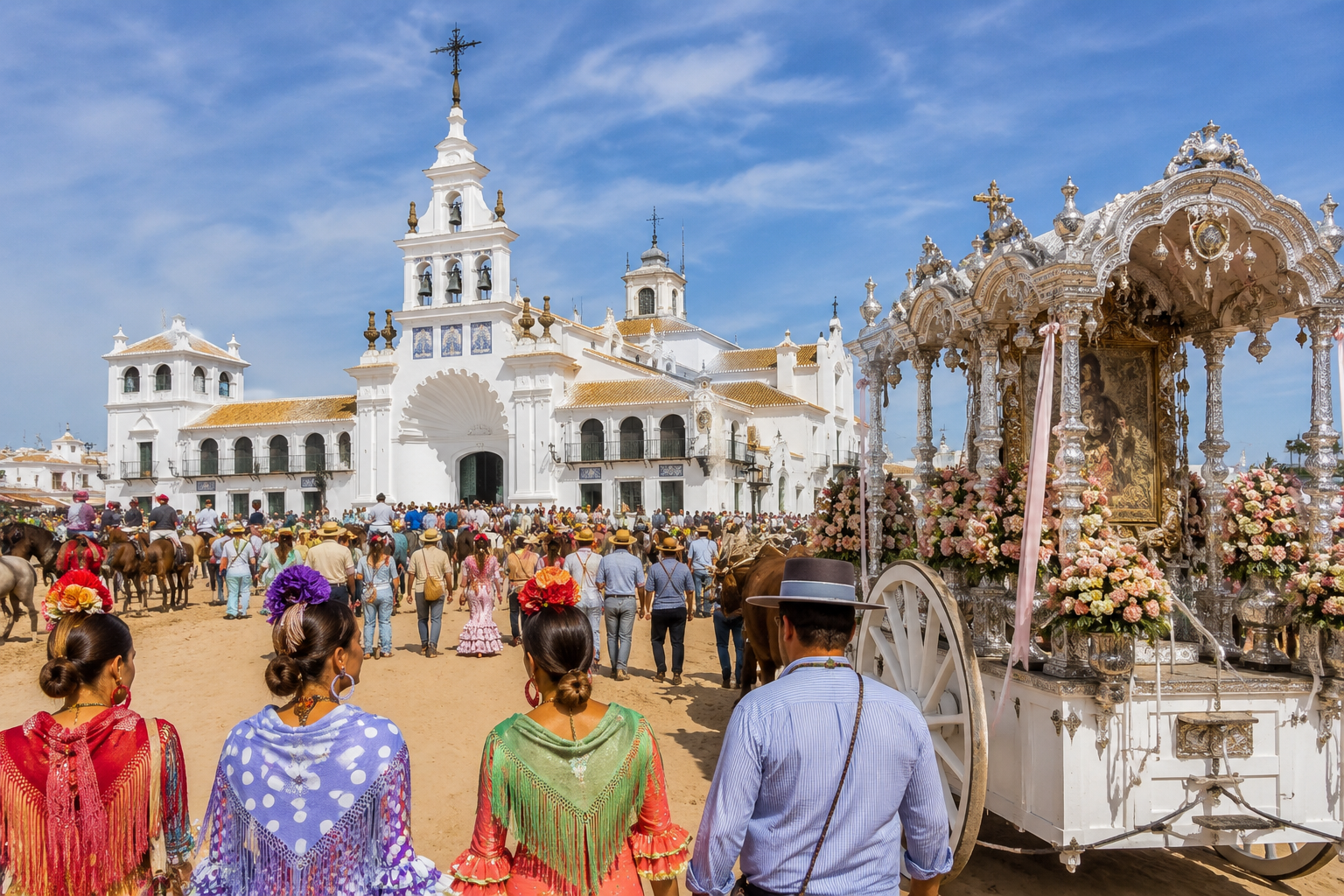
Brotherhoods travel from different cities and towns, making the journey on foot, horseback, or in beautifully decorated carriages. The atmosphere blends traditional sevillanas music, local gastronomy, and vibrant energy, making El Rocío a truly unique experience.
When is El Rocío 2026?
Every year, many people search for “when is El Rocío” or “what day does El Rocío start?”. The El Rocío Pilgrimage 2026 will take place between the end of May and the beginning of June, coinciding with the Pentecost celebration.
There is also another important celebration known as Rocío Chico, a special festivity for the people of Almonte that takes place months after the main pilgrimage.
Where is El Rocío celebrated?
One of the most common questions for first-time visitors to Andalusia is where El Rocío takes place. The pilgrimage is celebrated in the village of El Rocío, part of the municipality of Almonte, in the province of Huelva, next to Doñana National Park.
The village is famous for its sandy streets, traditional houses, and atmosphere that seems frozen in time. During the pilgrimage, horses, decorated wagons, and traditional Andalusian outfits become part of the landscape, creating an authentic and fascinating atmosphere.
El Rocío: How to Get There
The most common way to reach El Rocío is from Seville or Huelva by car or bus.
- From Seville, the journey takes approximately one hour and a half.
- From Huelva, the trip usually takes around 50 minutes.
- Many pilgrims also complete the famous route on foot, horseback, or in traditional carriages alongside their brotherhoods.
During the pilgrimage days, access can be limited due to the large number of visitors, so it is recommended to plan the trip in advance and check the weather in El Rocío before travelling.
Practical Guide for First-Time Visitors
If it is your first time visiting El Rocío, these tips can help you enjoy the experience even more:
- Wear comfortable clothes and shoes.
- Be prepared for high temperatures and long walks.
- Book accommodation well in advance.
- Respect local traditions and the natural environment.
- Enjoy the music, gastronomy, and festive atmosphere.
Many visitors describe El Rocío as an emotional, inspiring, and deeply authentic experience, even for those who do not experience it from a religious perspective.
The Exciting “Salto de la Reja”
One of the most anticipated moments of the pilgrimage takes place during the early hours from Sunday to Monday of Pentecost: the famous “Salto de la Reja” (Jumping the Fence). At that moment, the people of Almonte jump over the fence protecting the Virgin in order to begin her procession through the village among songs, emotion, and thousands of people.
Without a doubt, it is one of the most powerful and memorable moments of the entire celebration.
An Unforgettable Cultural Experience for International Students
At Carlos V Education, we believe that learning Spanish also means discovering the culture and traditions of the country. Celebrations such as El Rocío allow international students to experience Andalusian identity firsthand, practice the language in real-life contexts, and enjoy authentic experiences during their stay in Spain.
Because learning a language goes far beyond the classroom: it is also about understanding its customs, music, and way of life. If you are interested in discovering more iconic Spanish celebrations, you can also read our article about San Isidro 2026 in Madrid.